Every parent has bought an educational game that got played once. The problem is rarely the education — it is that the game was designed to teach first and be fun second, and children can tell the difference instantly. Here is what actually earns a second play.
Rounds shorter than their attention span
For under-tens, ten minutes is a full game. A short round means a losing child gets a fresh start almost immediately, which is the single biggest predictor of whether they want to play again. Long games punish the loser twice: once by losing, once by having spent an hour doing it.
The learning has to be the mechanic, not the wrapper
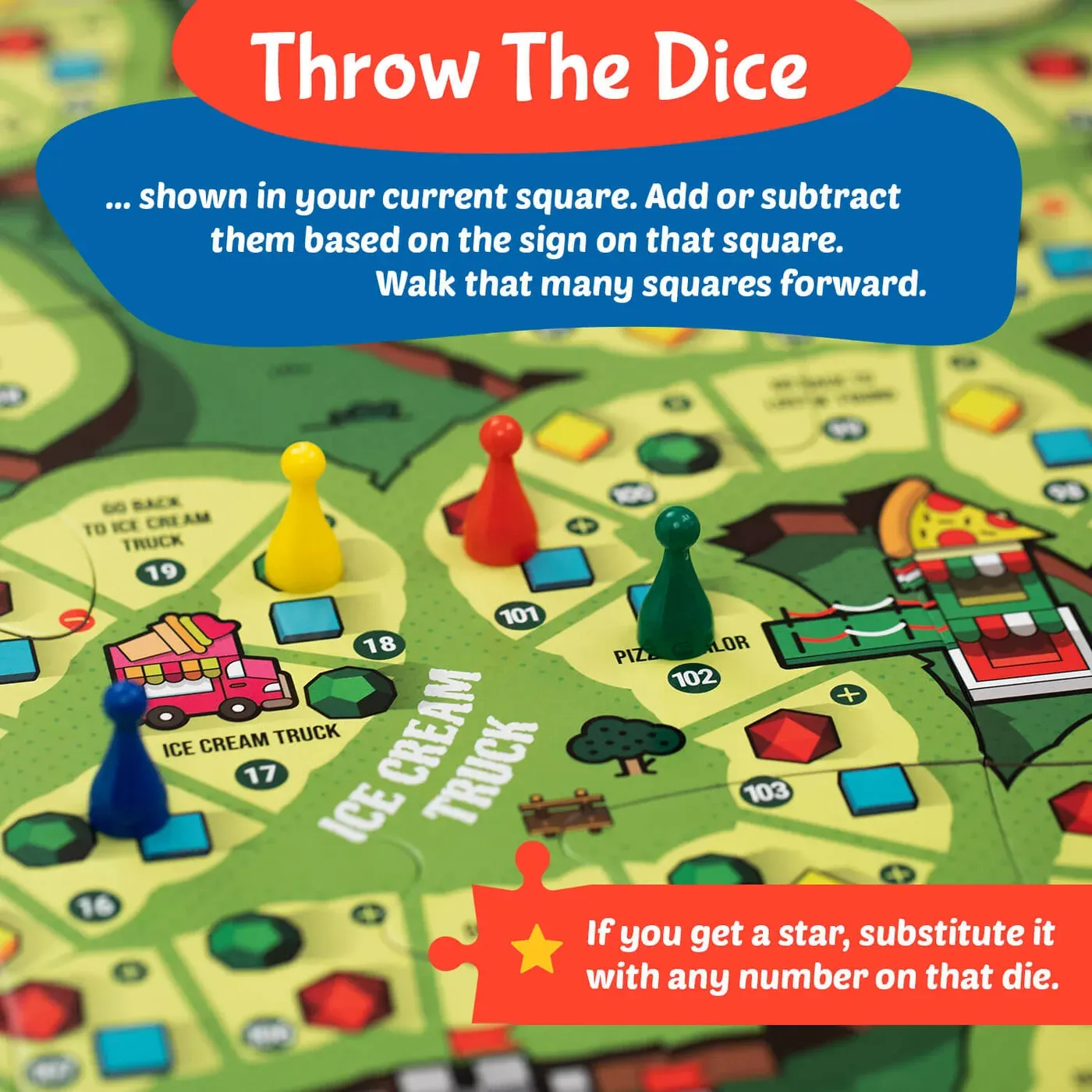
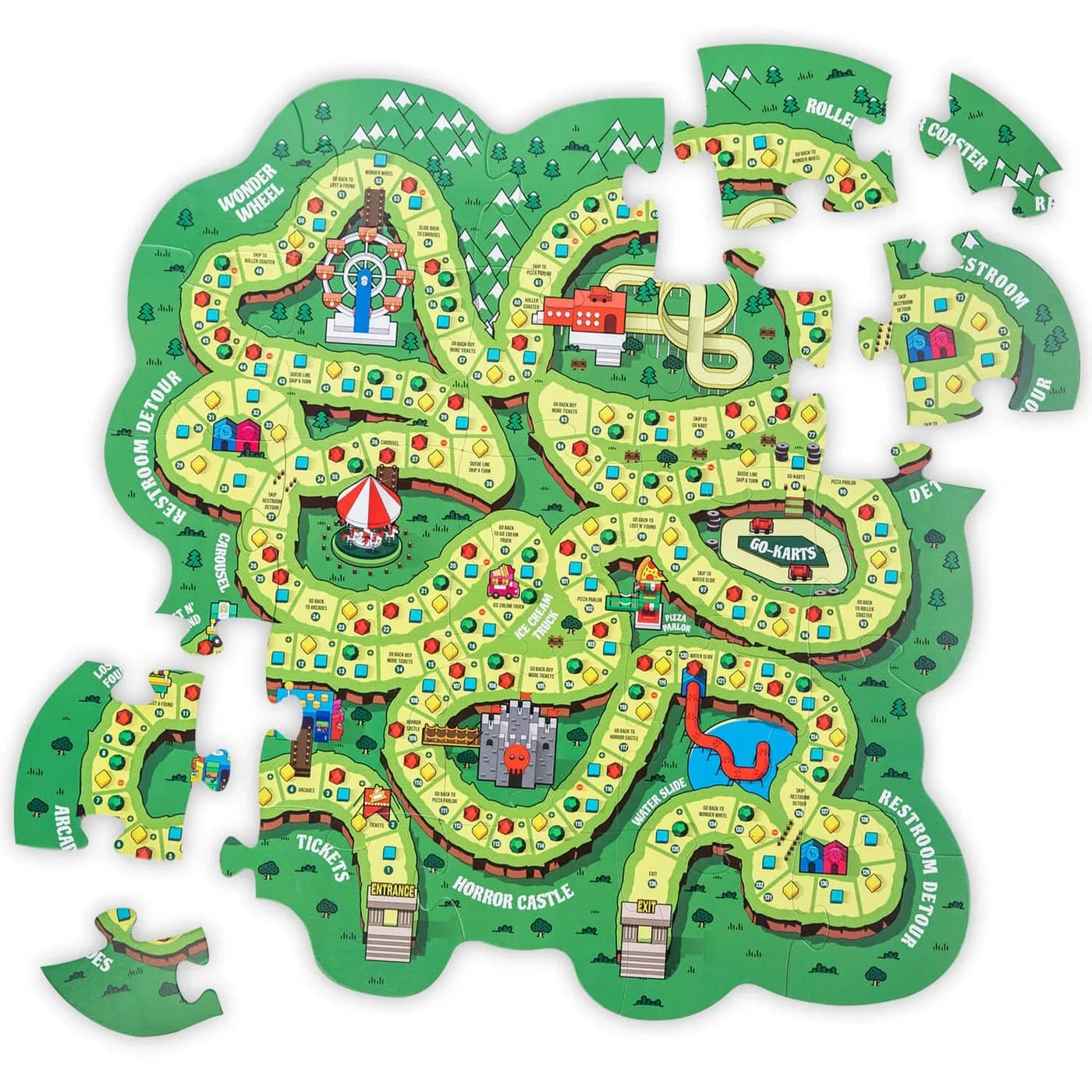
Quiz cards bolted onto a board are homework with dice. It works when the maths IS the move — when adding and subtracting is how you get around the board, kids do arithmetic for an hour without once noticing they are practising, because the number is the decision.
Adults have to be allowed to lose
Reaction games are the great equaliser: a fast eight-year-old genuinely beats a distracted adult, no handicap required. That honesty matters. Children know when they have been let win, and it takes the achievement away.
What to look for on the box
- A round length in minutes, not "about an hour".
- A player range that includes the number of people actually in your house.
- Rules that fit on one sheet — if you need a video, it is not a family game.
- A minimum age that matches your youngest player, not your oldest.
When they've outgrown it
Around eleven or twelve, kids start wanting games with bluffing and negotiation rather than speed and counting. That is the moment to move the family table onto something with real strategy in it — and it is a good problem to have.