"4+ players" is printed on most party games for a good reason — voting, bluffing and social chaos all need a crowd. But two-player nights are the most common kind there is, so here is what genuinely works when the table is just the two of you.
The one actually built for two
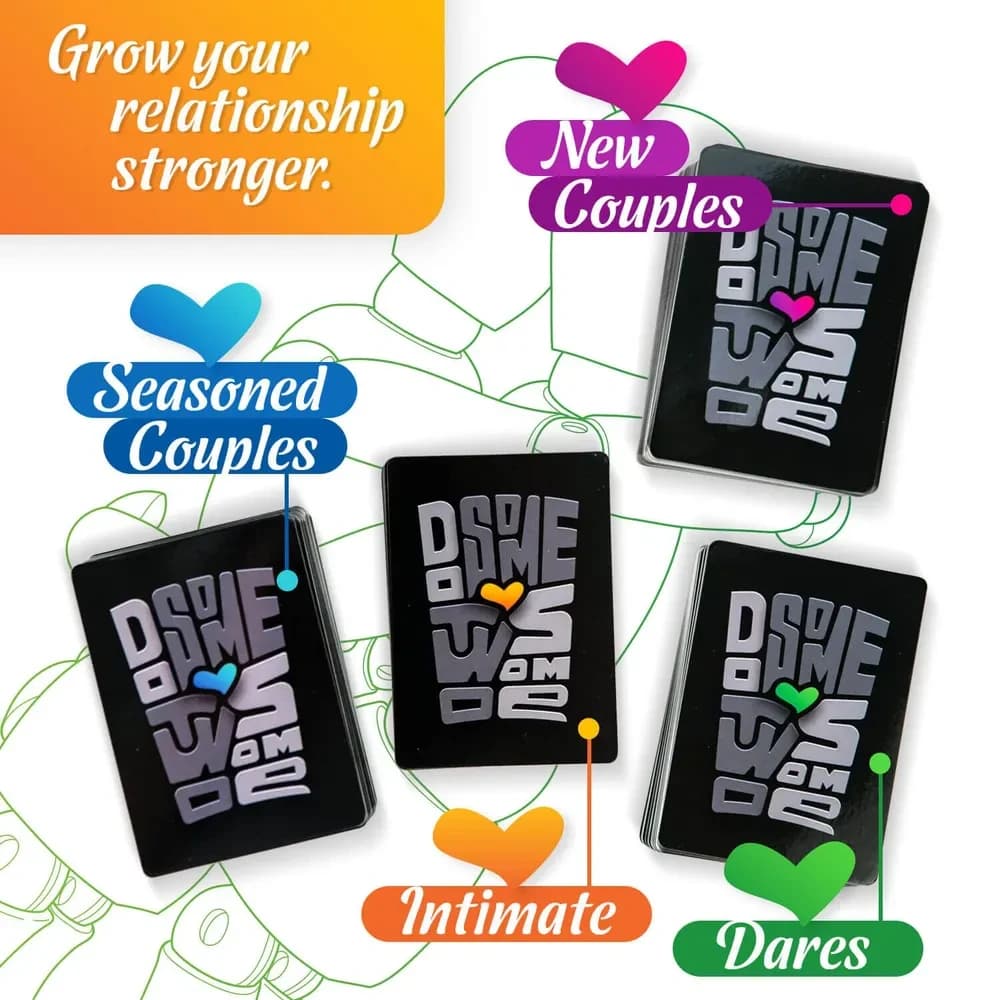
Rather than shrinking a party game, start with one designed for a pair. 330 cards of questions, prompts and dares across four decks — new couples, seasoned couples, intimate, and dare — has no winner and no loser, which sounds like a flaw until you realise that competitive games between two people who live together rarely end well.
Reaction games get BETTER head-to-head
Most games lose tension with fewer players. Slapping games gain it: with two people there is nobody else to blame for a slow hand, and ten minutes is enough for a best-of-five that gets genuinely competitive. It also works across a big age gap, which makes it a good parent-and-child option.
Auctions still work with two — differently
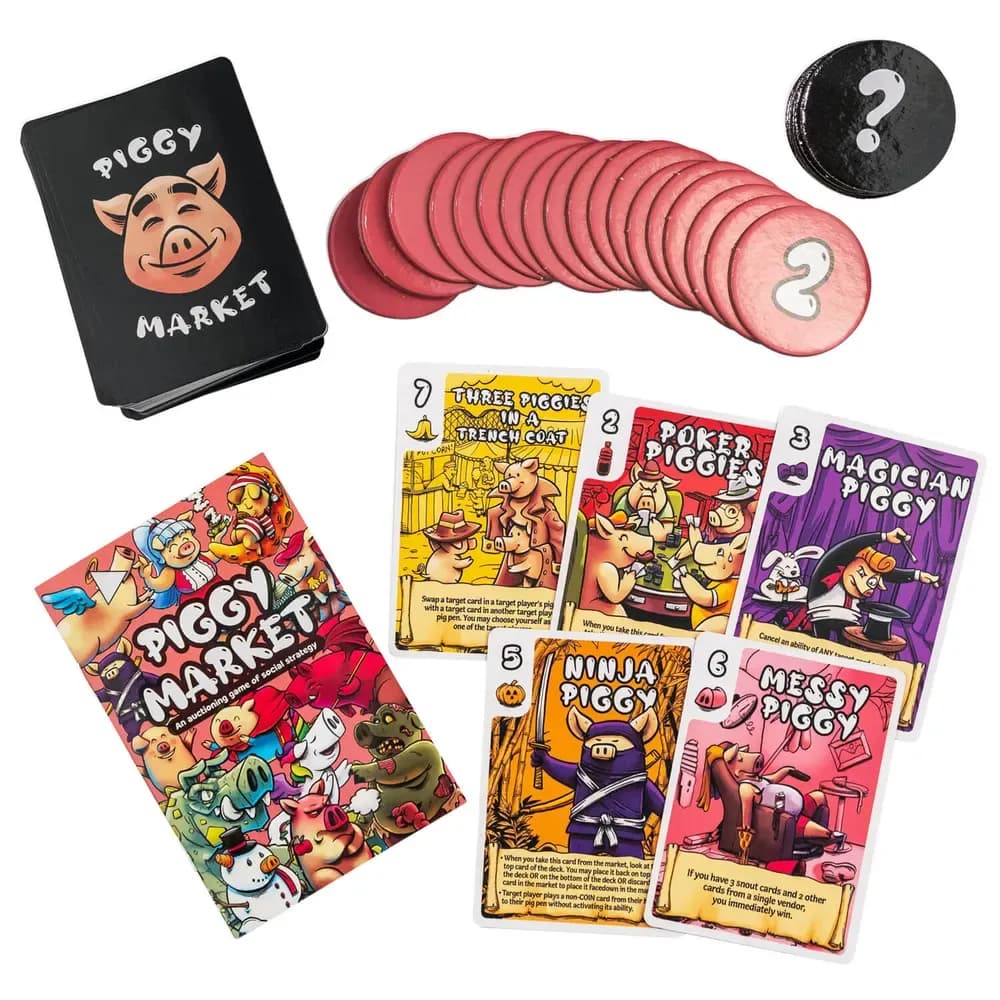
A blind auction where the winner pays the second-highest bid becomes a pure read on one person: you are not guessing at a table, you are guessing at them. Fewer bluffs to track, but each one matters more. Bring it out when you want something with actual strategy rather than conversation.
What doesn't work with two, honestly
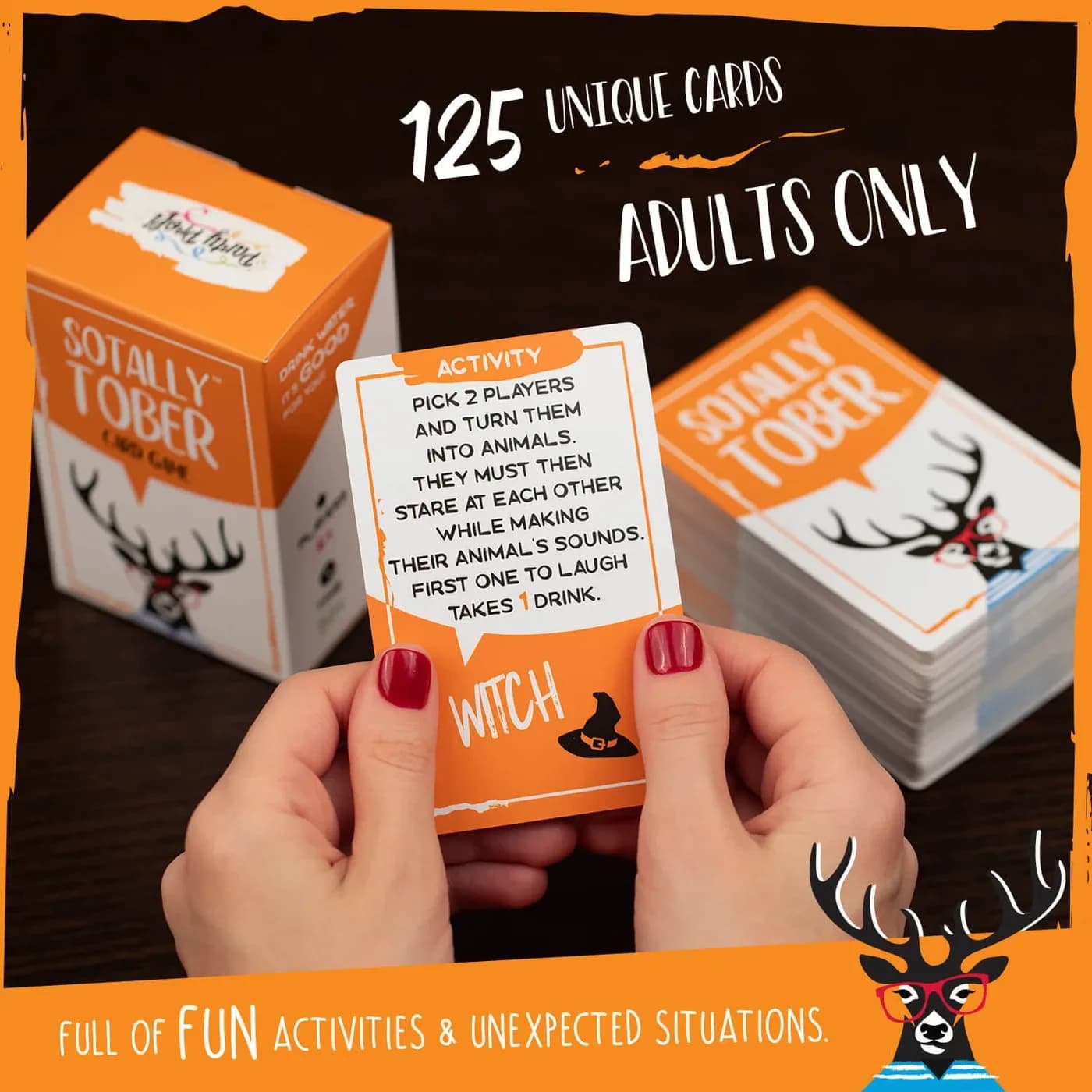
Voting games need a crowd — a jury of one is not a jury. Our drinking games say 4+ on the box and mean it: half their fun comes from table-wide decrees and secrets you spring on other people. If it is just the two of you, save those for when the group is over.
Make it a ritual, not an event
Two-player game nights work best as a habit rather than a plan — same evening each week, one short game, no production. The bar for showing up is low, which is exactly why it lasts.