Family game night dies one of two deaths: the game is too young for half the table, or too old for the other half. The fix is not one perfect game — it is a short rotation matched to who is actually sitting down. Here is how we would build it.
For the youngest players
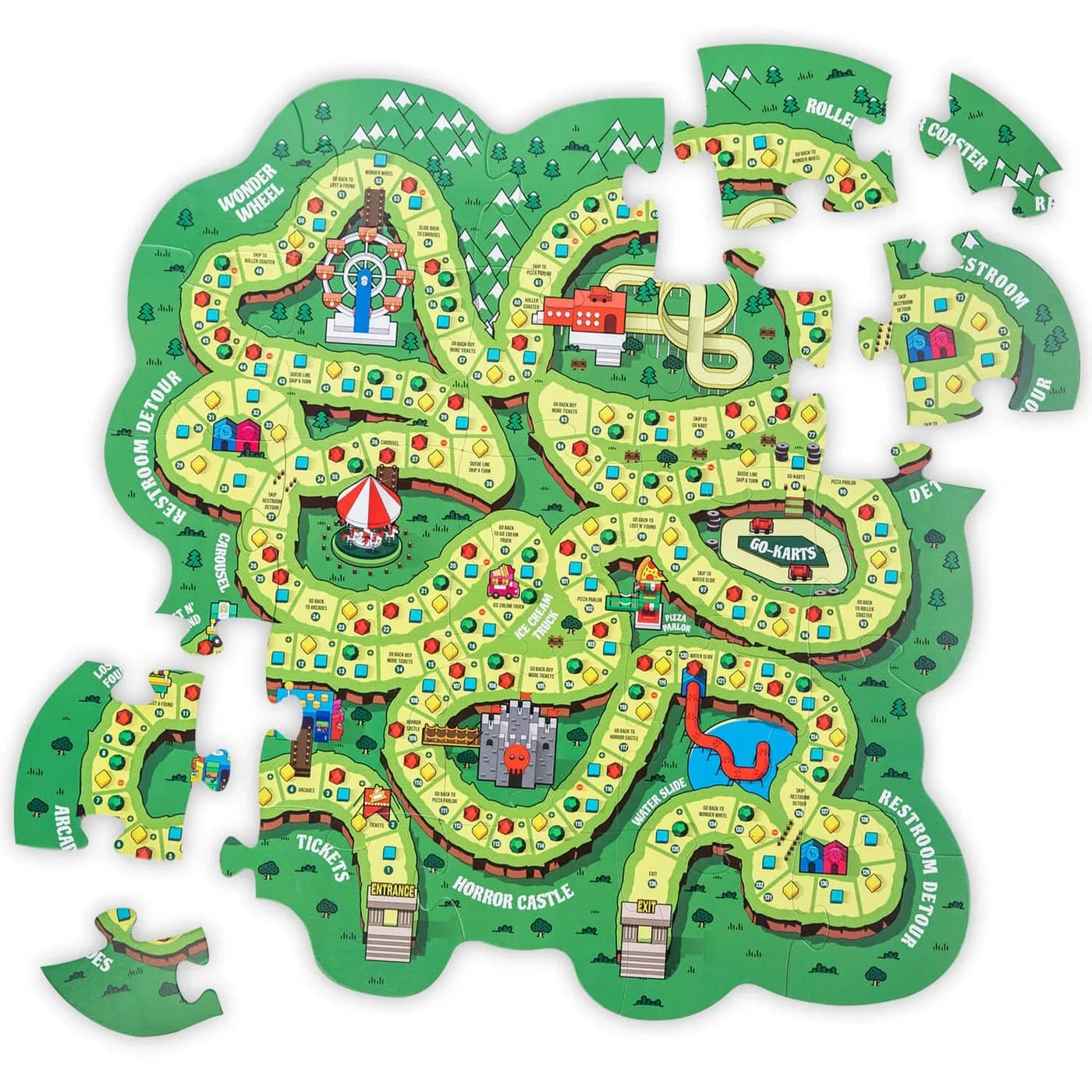
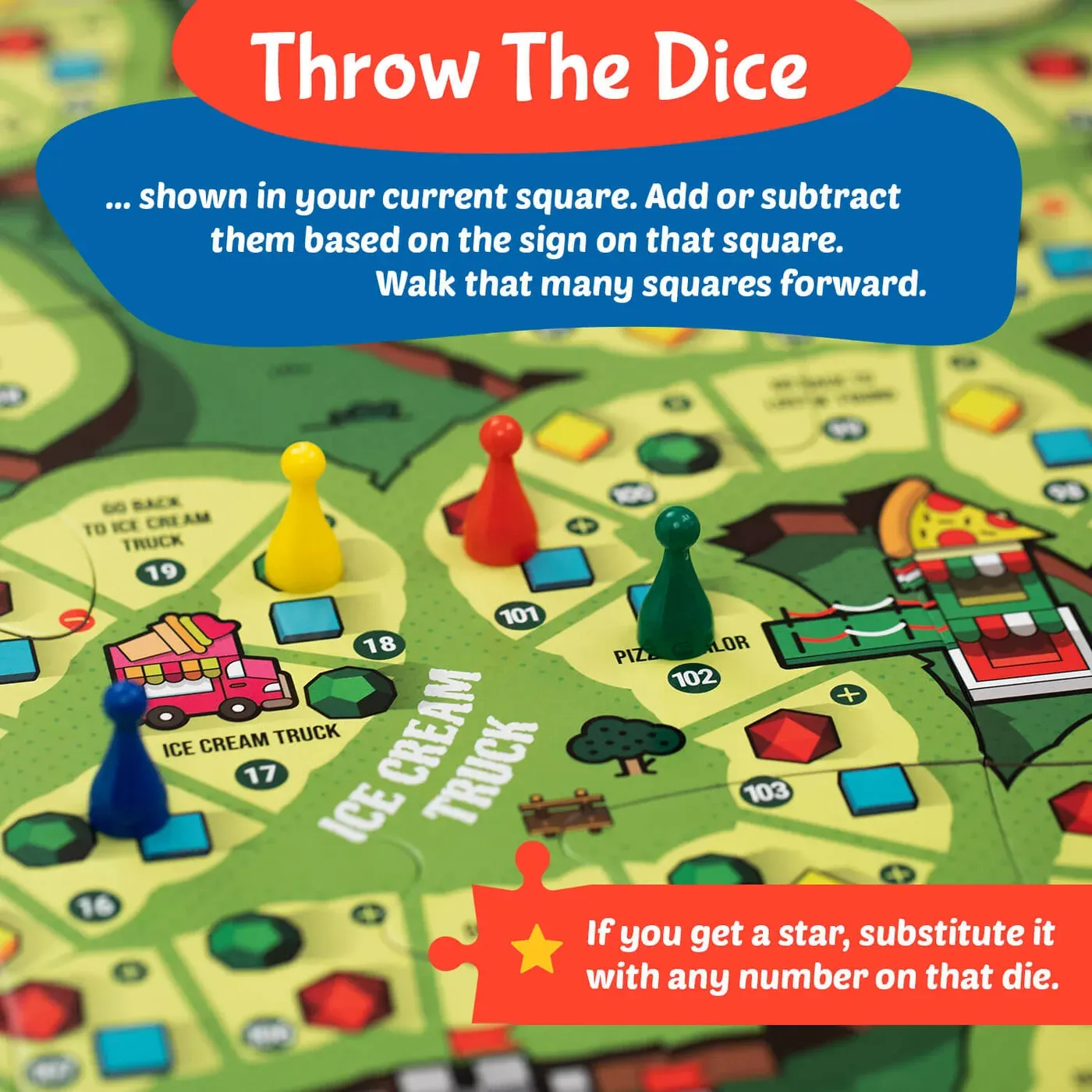
Under about ten, you want bright components, fast turns and rules a kid can hold in their head. A board they can point at helps — counting spaces is half the fun at that age, and sneaking a little math into the moving is the quiet parenting win.
The teenager problem
Teenagers will not join a kids' game, and they should not join an adults' one. What wins them over is a game where being loud and opinionated is the actual mechanic — give them a soapbox and a timer and watch them forget they were too cool for this.
Keep the ritual, rotate the games
- Same night, same snacks — the ritual matters more than the lineup.
- Let a different family member pick the game each week. Ownership beats enthusiasm.
- Keep rounds short. Two twenty-minute games beat one seventy-minute slog.
- End while it is still fun. The memory of a great night is the best invitation to the next one.
When the kids go to bed
Family game night has a well-earned sequel once the youngest players are down. That, however, is a different article — and a different shelf of our store.